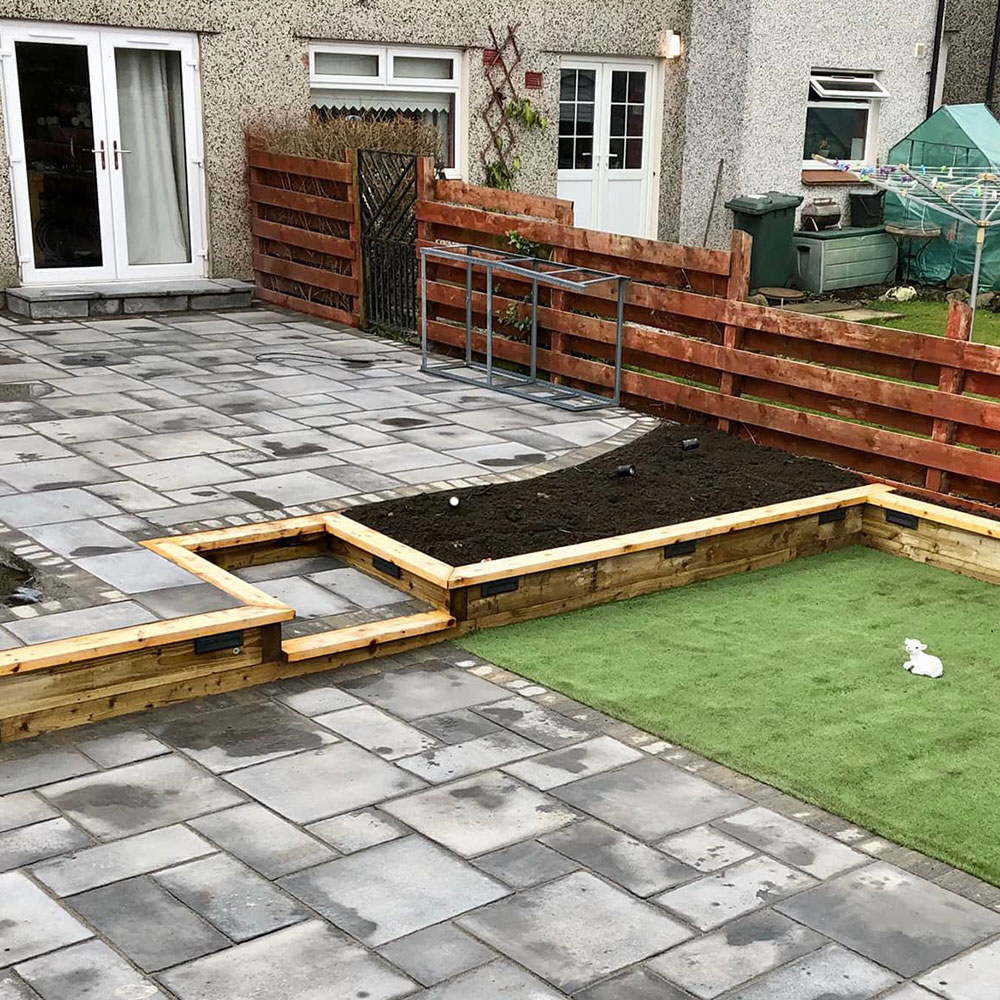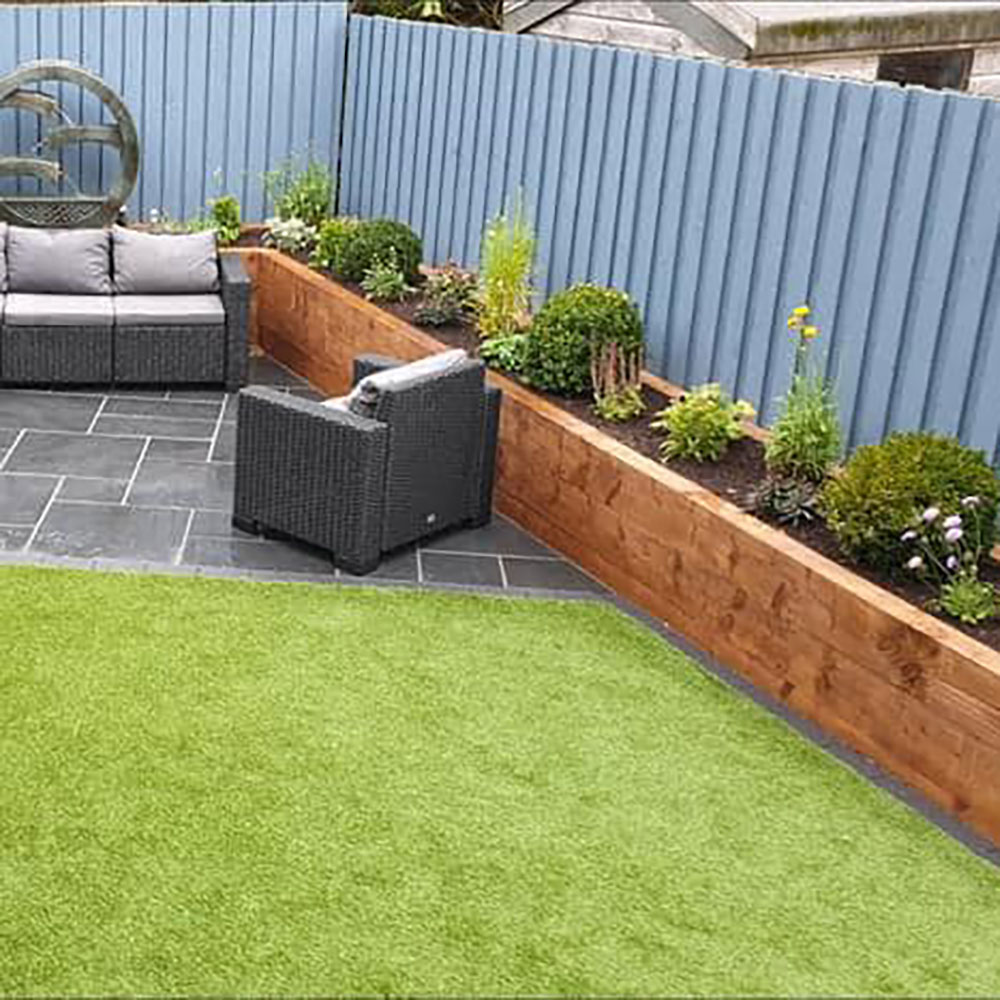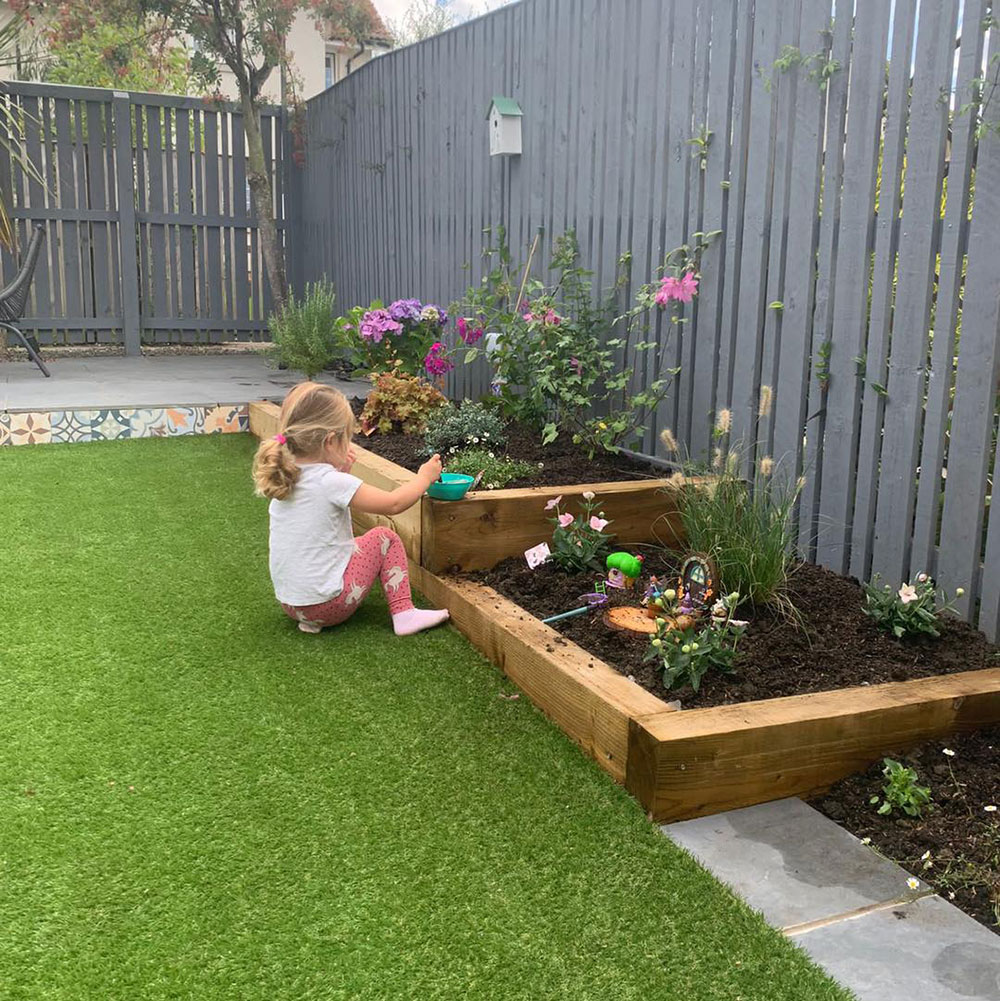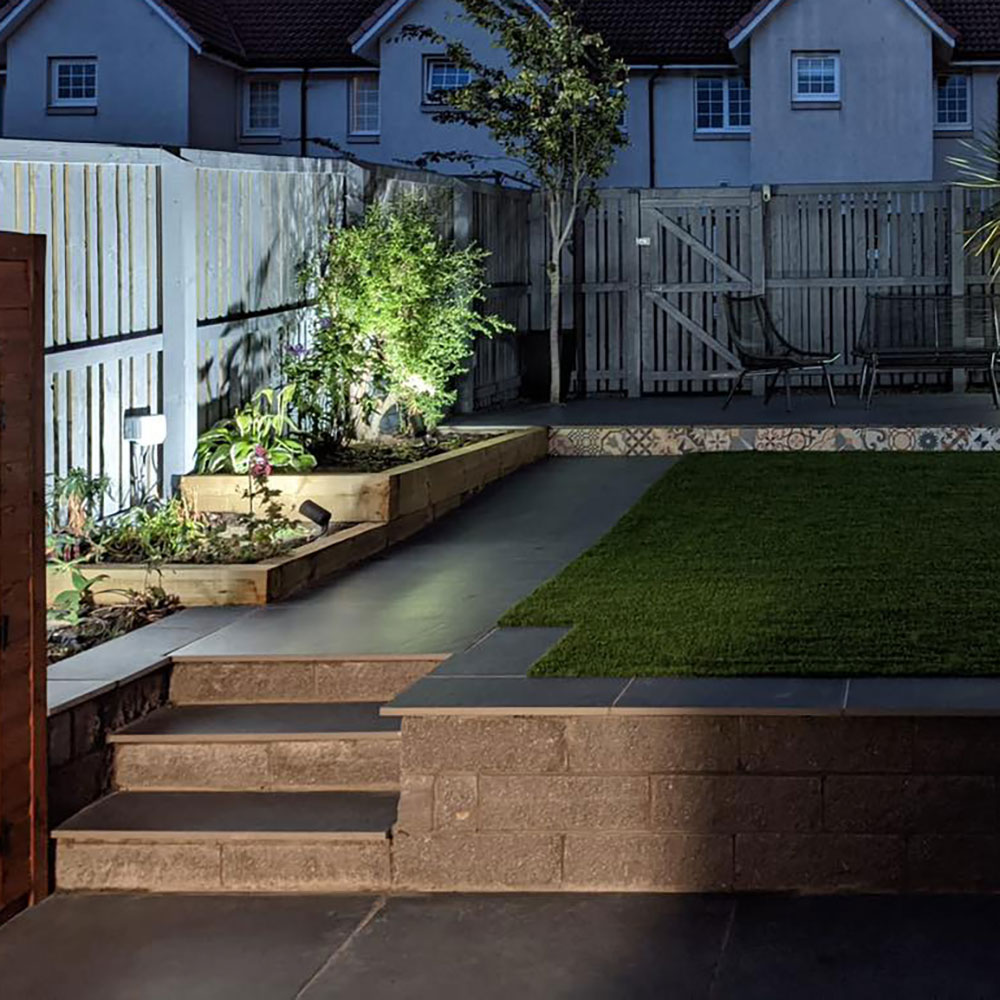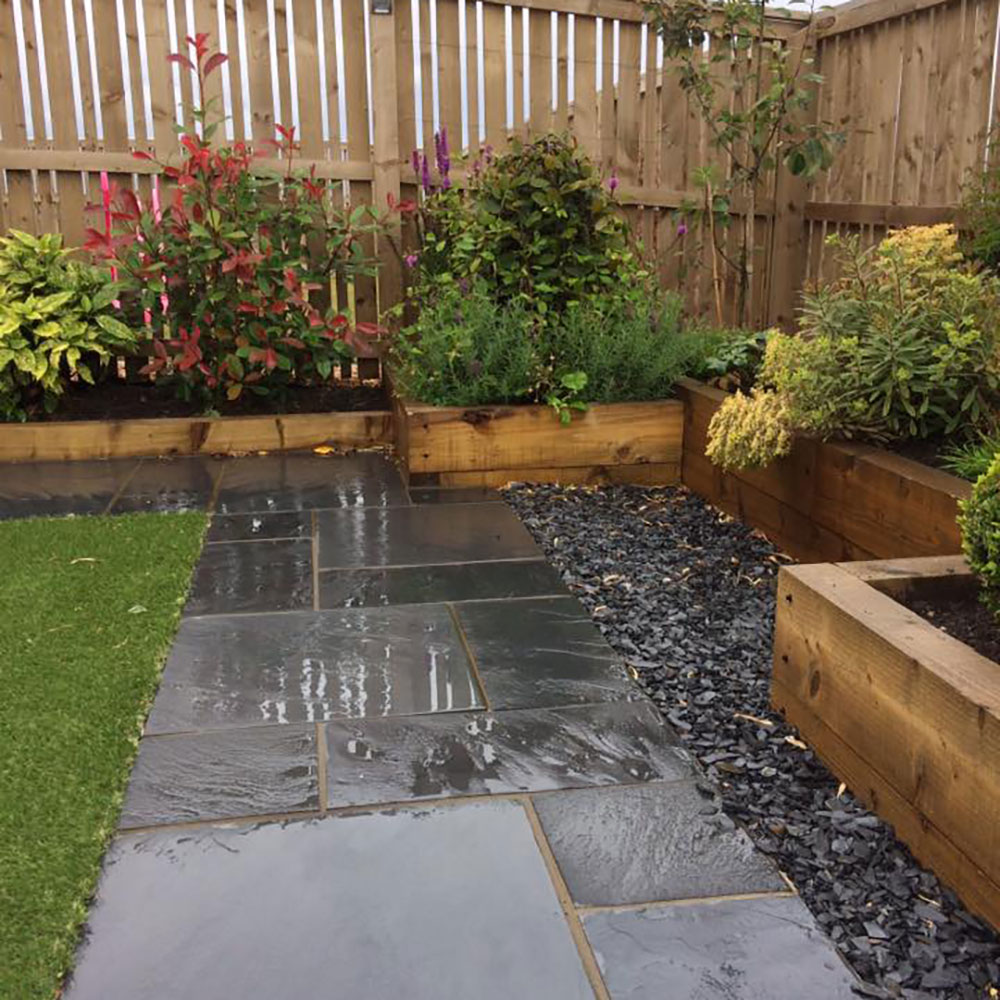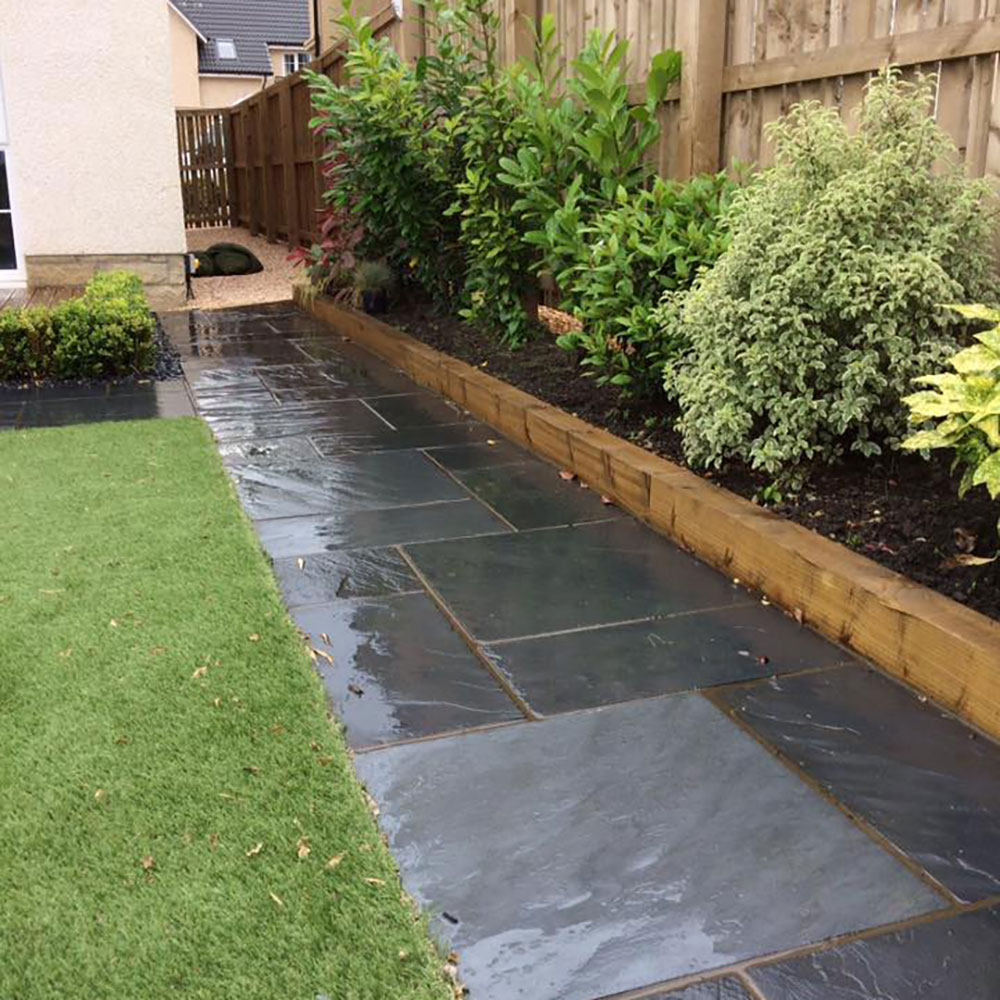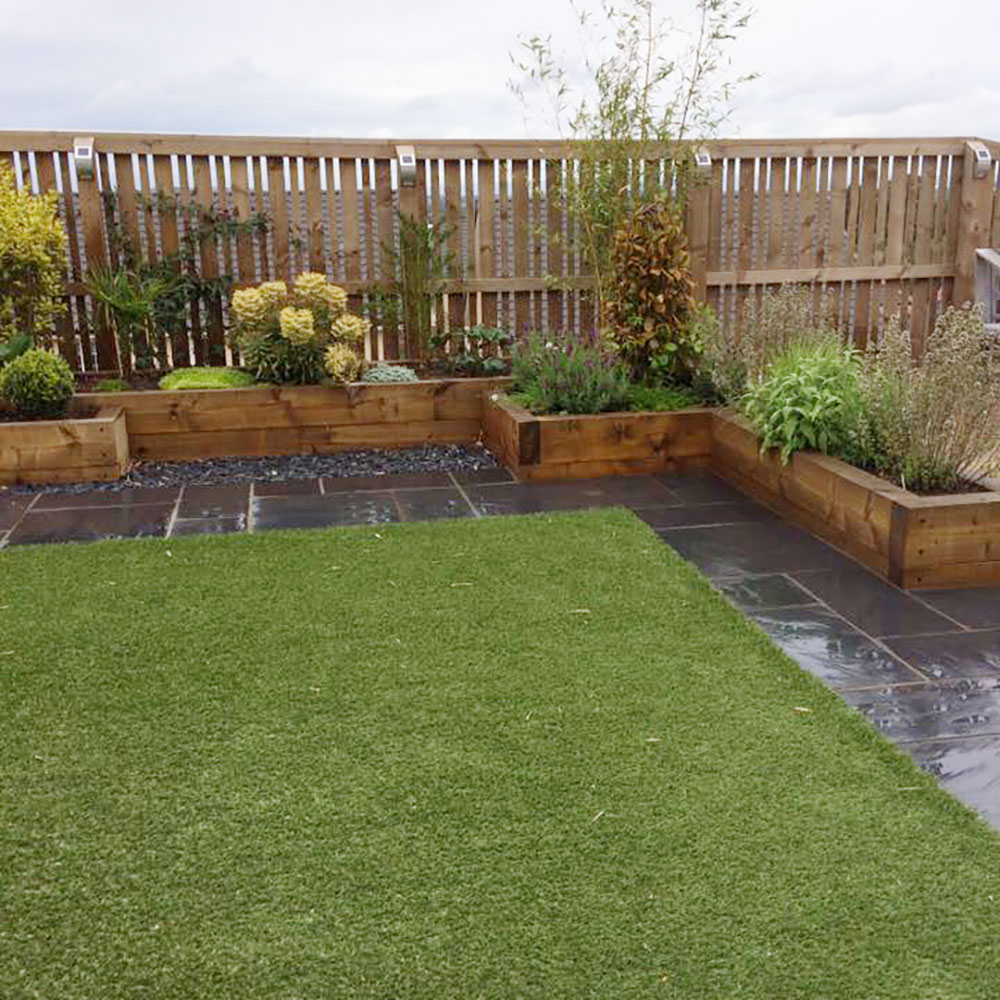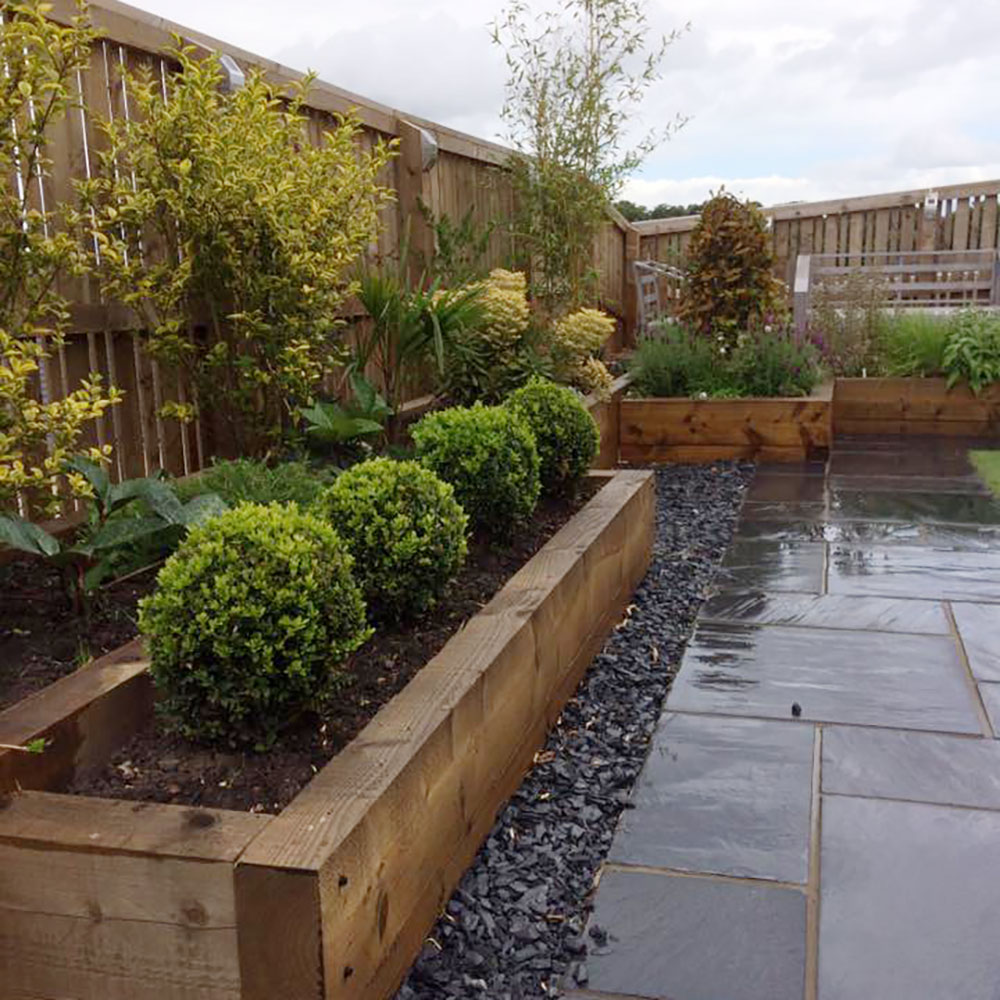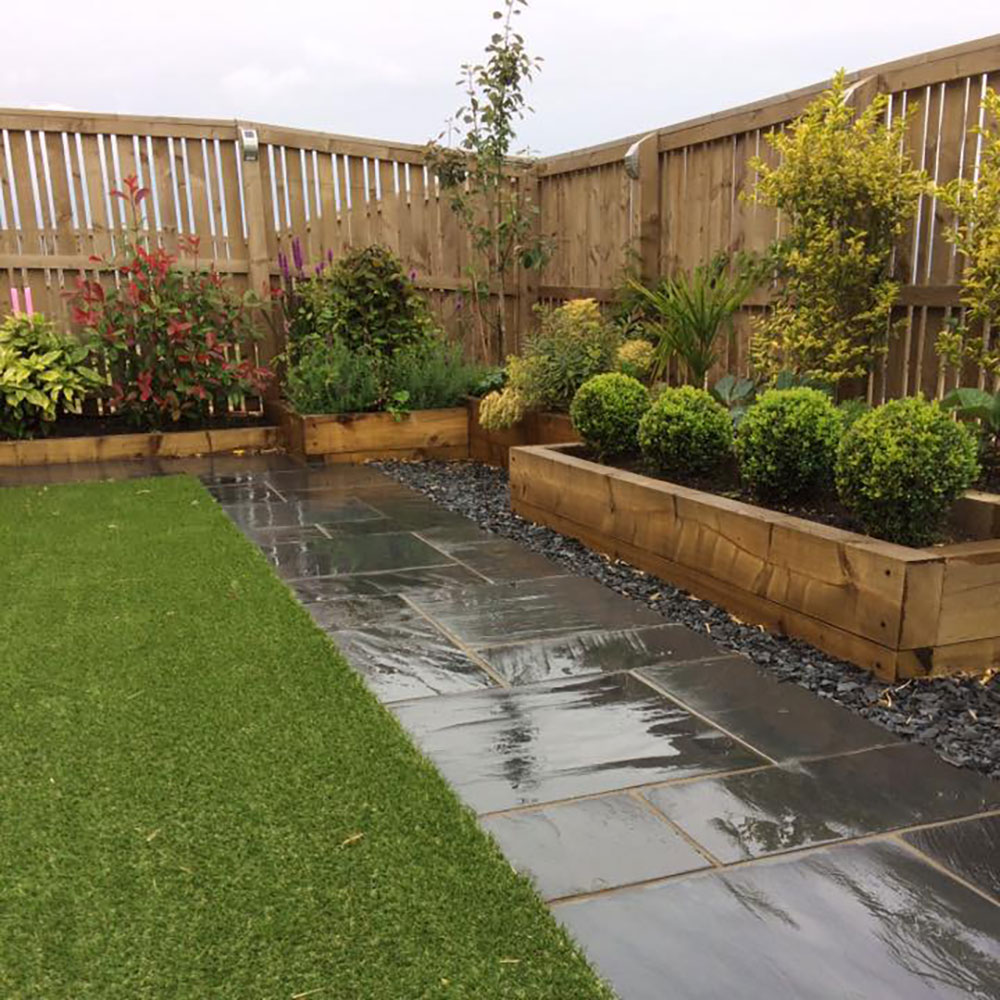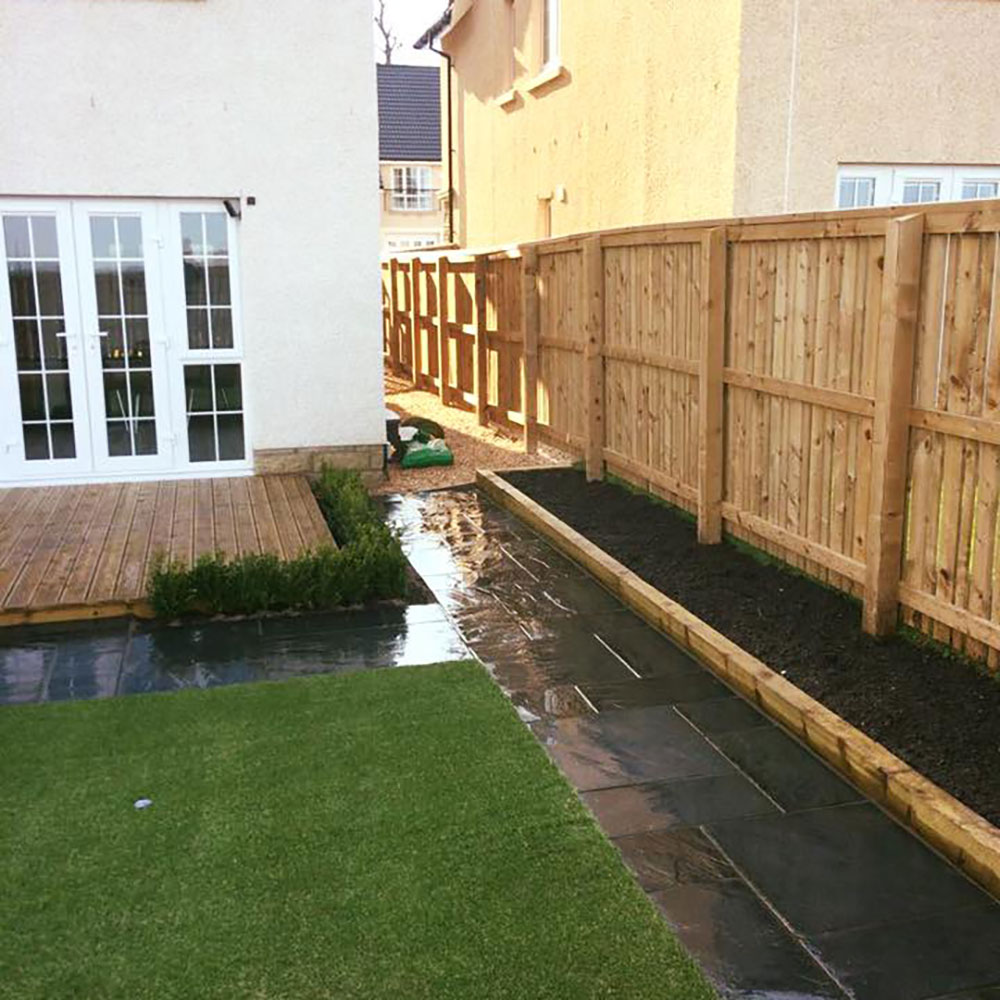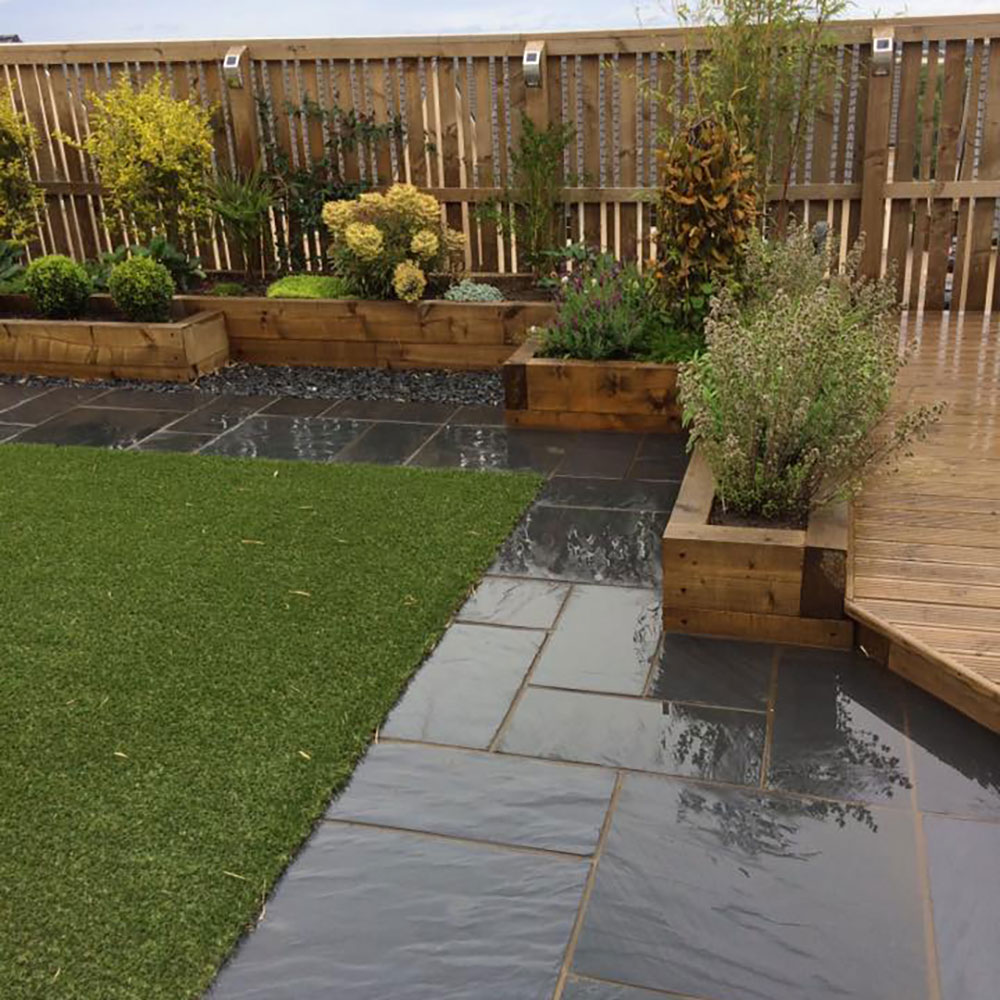
Professionally installed planters in Central Scotland
Add style, structure, and versatility to your garden with beautifully designed planters.
Our team in West Lothian offers a range of custom planters that bring colour and personality to any outdoor space, whether you’re looking to create focal points, define borders, or elevate small plants and flowers. With various materials, sizes, and styles to choose from, we can help you create a planter solution tailored to your garden’s aesthetic and functional needs.
Professionally installed planters make it easy to add greenery and blooms to your space, enhancing both beauty and structure in your garden.

West Lothian Council Trusted Trader

Approved Landscape Contractors and Driveway Installers

Registered Tobermore Paving Contractor and Installer
West Lothian
East Lothian
Midlothian
Edinburgh
Falkirk
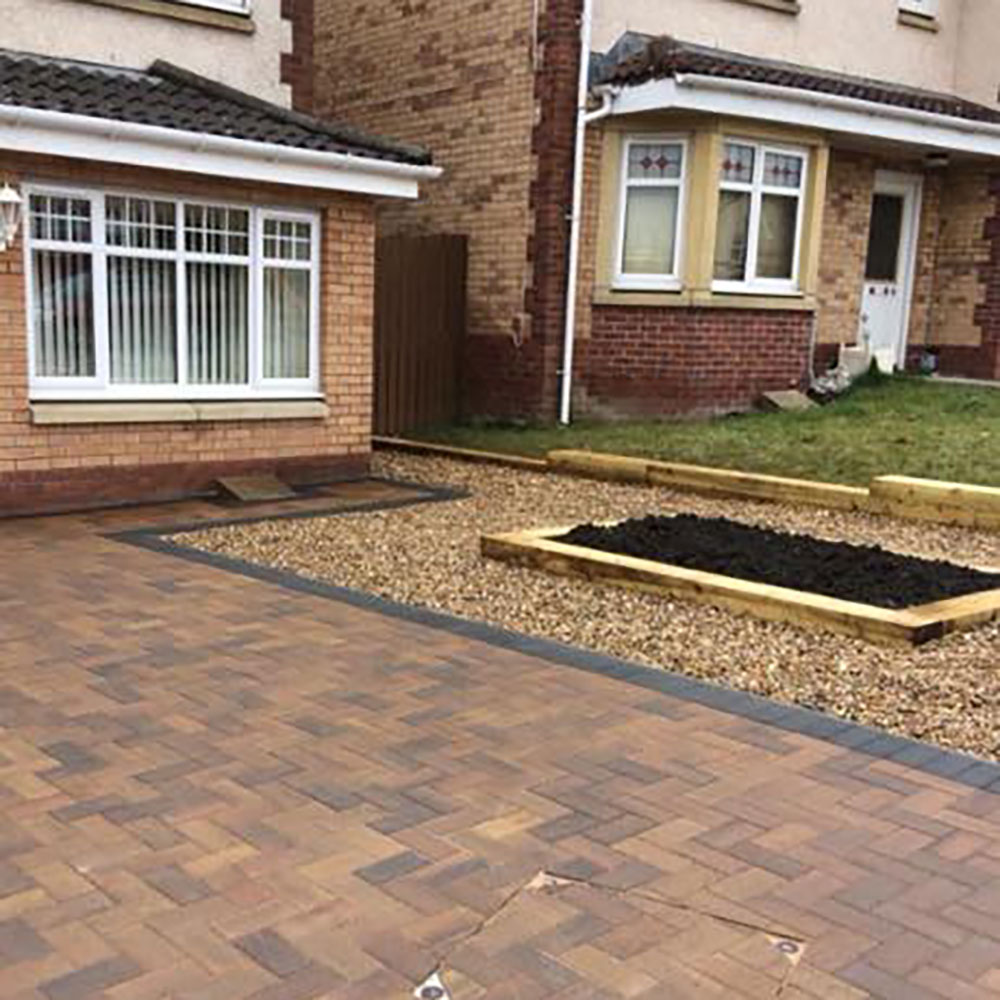
Before & after images of driveways we installed in Scotland
6 reasons to choose professionally installed planters in your garden
Enhanced garden aesthetics
Professionally installed planters add depth, colour, and structure to your garden, creating beautiful focal points and enhancing its overall visual appeal.
Customised to fit your space
With professional installation, planters are tailored to your garden’s layout, ensuring they complement the space perfectly and fit seamlessly into your design.
Durability and stability
Installed by experts, planters are securely positioned with proper drainage and stability, ensuring they withstand weather and stay in place for years to come.
Increased plant health
We use quality soil and ensure optimal drainage, providing the best environment for healthy plant growth, helping your flowers and greenery thrive.
Low-maintenance options
With professional guidance, you can choose planters that suit your maintenance preferences, including durable materials and low-maintenance designs for easy upkeep.
Eco-friendly choices
We offer a range of sustainable materials, including recycled and natural options, allowing you to create an eco-friendly garden that’s beautiful and responsible.
Which type of planter is best for your garden?
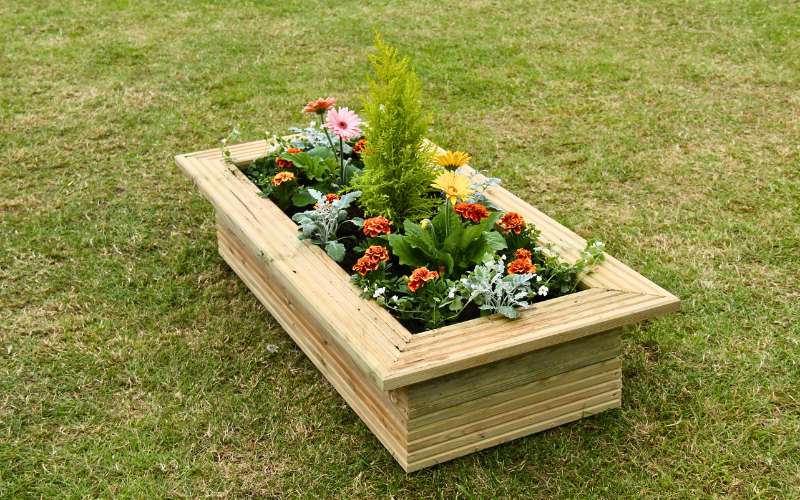
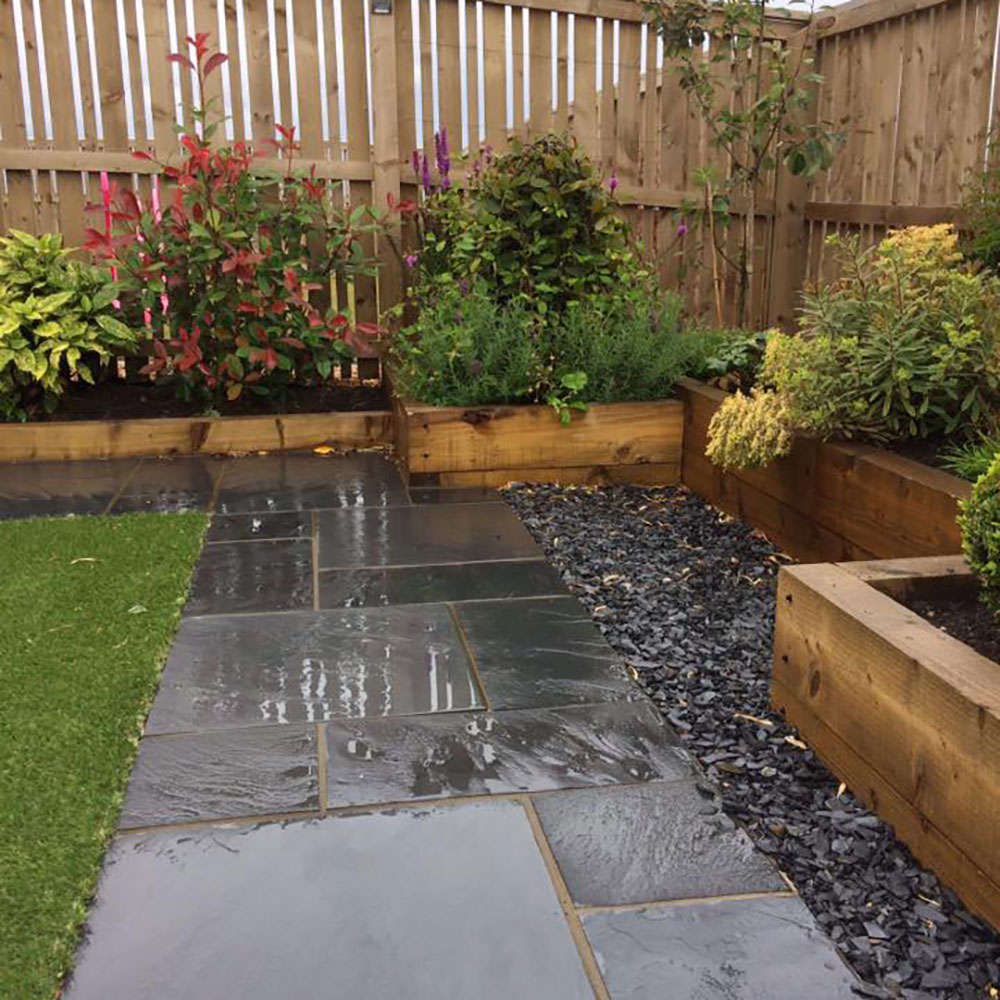
Wooden planters
Wooden planters bring a natural, rustic feel to your garden, blending seamlessly with outdoor landscapes.
Made from treated wood like cedar, pine, or teak, they are versatile and can be customised in size, shape, and finish to suit various garden styles.
Wooden planter benefits
Natural and attractive appearance
Can be stained or painted
Provides good insulation for plants
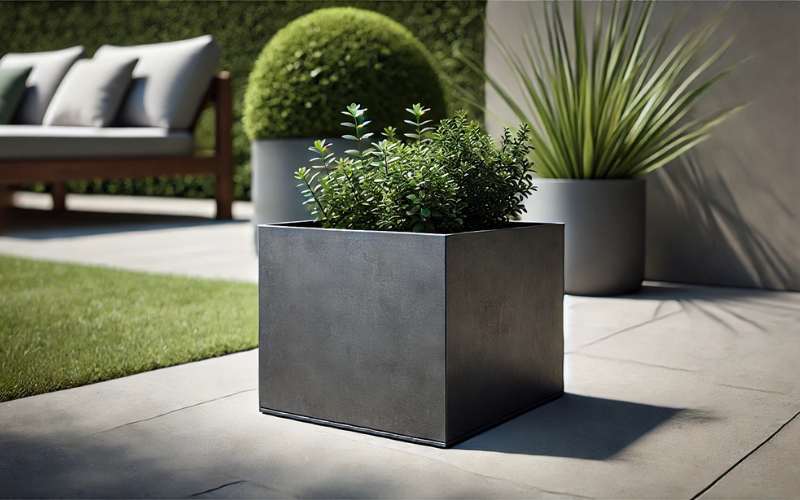
Metal planters
Metal planters, often made from steel, corten steel, or aluminium, add a sleek, modern look to your garden.
They are highly durable and perfect for contemporary designs, offering a unique contrast with greenery.
Metal planter benefits
Strong and durable
Modern, industrial aesthetic
Resistant to weather and rust (depending on the metal)
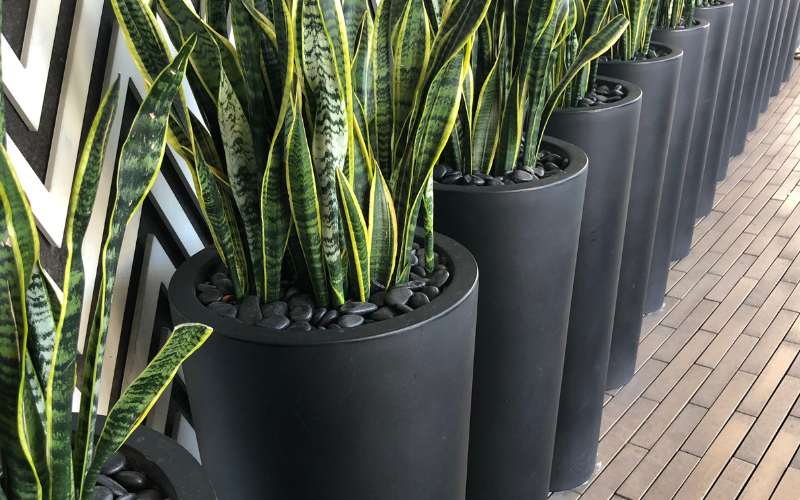
Plastic planters
Plastic planters are lightweight, affordable, and available in a variety of colours, shapes, and sizes.
They’re perfect for small plants or container gardens and provide an easy-to-move option for versatile layouts.
Plastic planter benefits
Lightweight and easy to move
Affordable and widely available
Low maintenance
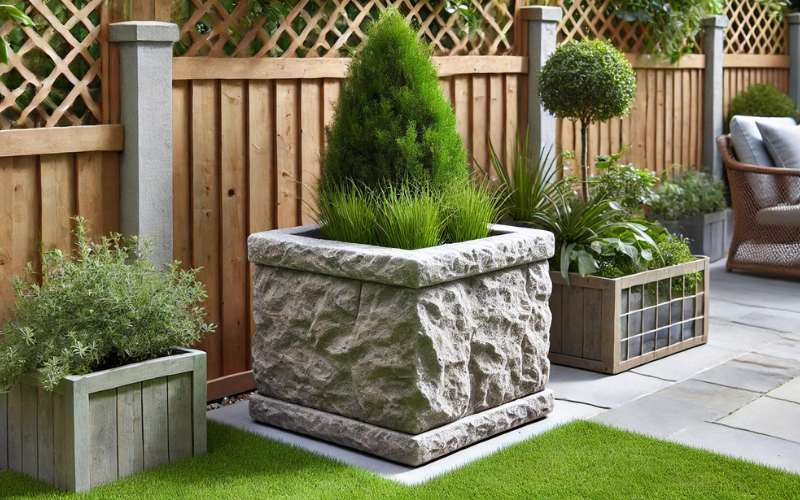
Stone planters
Stone planters offer a timeless, elegant look and are made from durable materials like granite or limestone.
They are ideal for creating a permanent garden feature and blend beautifully with traditional and formal garden designs.
Stone planter benefits
Extremely durable and weather-resistant
Luxurious, high-end appearance
Suitable for large plants and trees
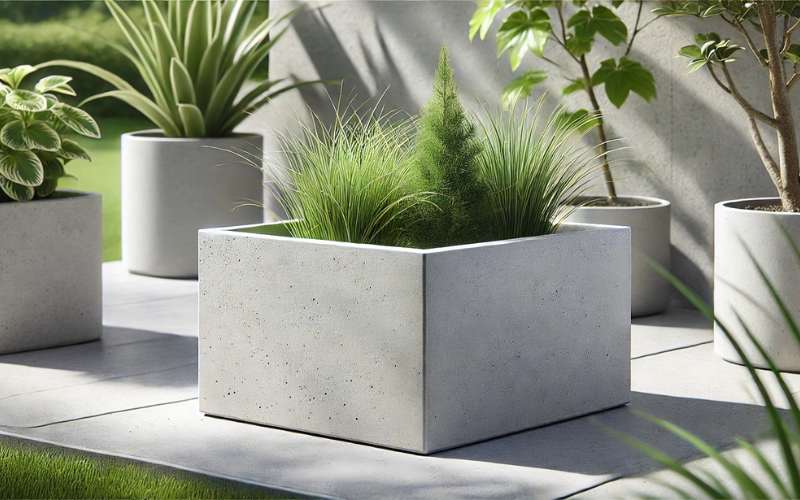
Concrete planters
Concrete planters are sturdy and durable, ideal for large plants or permanent installations.
They offer a sleek, minimalist look and work well in both modern and industrial garden designs.
Concrete planter benefits
Durable and weather-resistant
Provides a clean, contemporary appearance
Excellent for large plants and trees
Garden planter installation - How it works

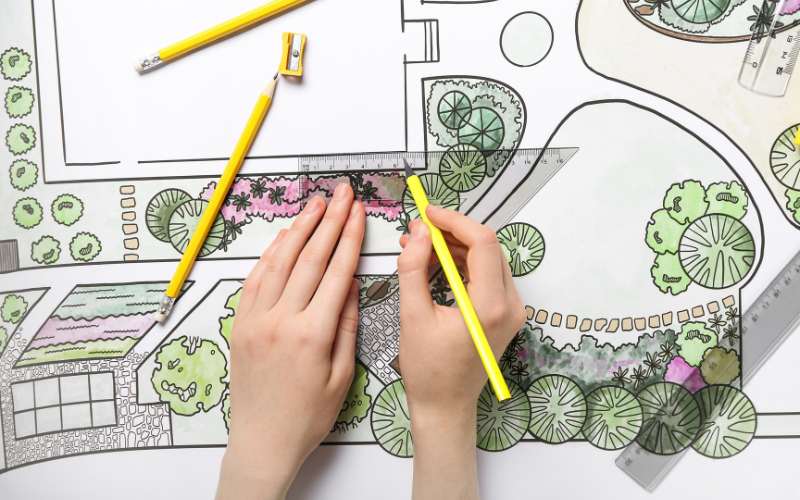
Consultation and design planning
Begin with a consultation to assess your garden space and discuss your vision for the planters. We help you choose the right materials, styles, and sizes that complement your garden and meet your planting goals.
Site preparation
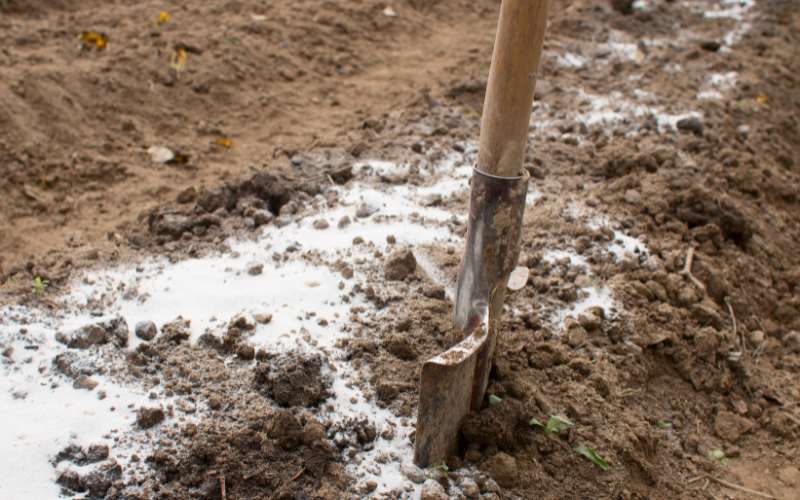
Clear the installation area of any debris or obstacles and level the ground to ensure a stable surface for the planters. For larger or permanent planters, excavate the area slightly to allow for proper placement and drainage.

Foundation installation
If necessary - for heavy planters like stone or concrete, a solid foundation such as compacted gravel or a concrete base may be installed to ensure stability and prevent shifting over time.
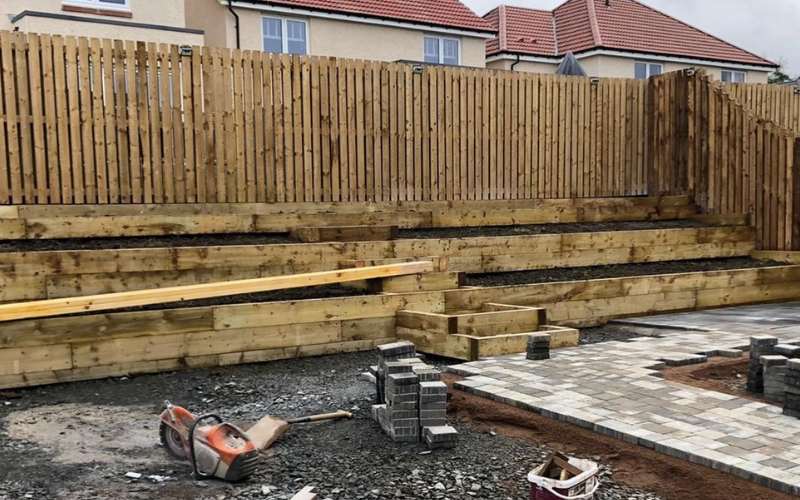
Positioning the planters
Place the planters according to the design plan, ensuring each one is level and properly aligned. Adjust the positioning if needed to achieve the desired look and ensure easy access for watering and maintenance.
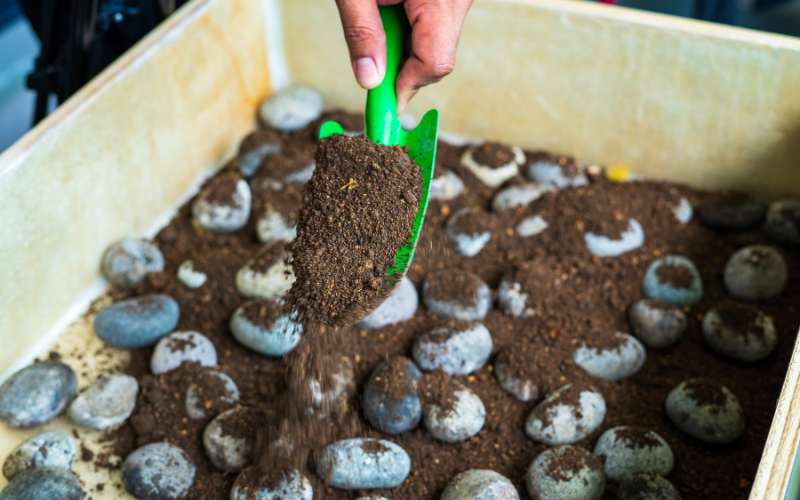
Adding soil and drainage materials
Add a layer of gravel or drainage material at the bottom of each planter to prevent waterlogging. Then, fill the planter with high-quality soil suited to the plants you intend to grow, creating an optimal environment for root development.
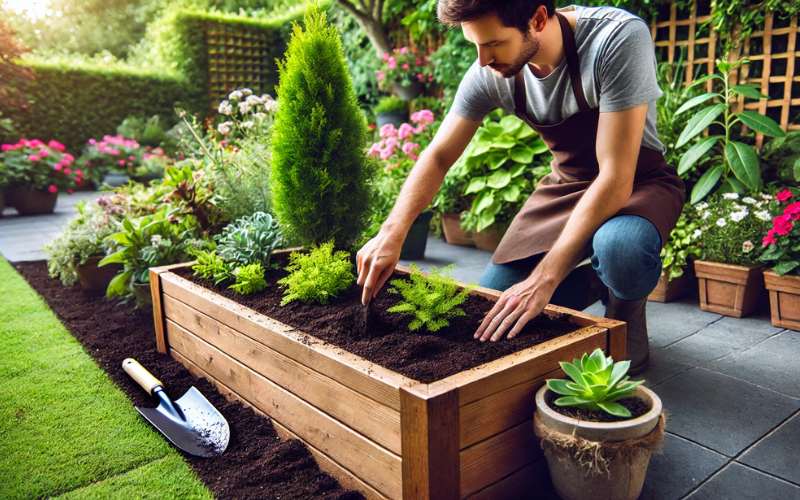
Planting
Carefully plant your selected flowers, shrubs, or greenery in the planters, spacing them appropriately to allow for growth. Gently press the soil around the roots to secure each plant.
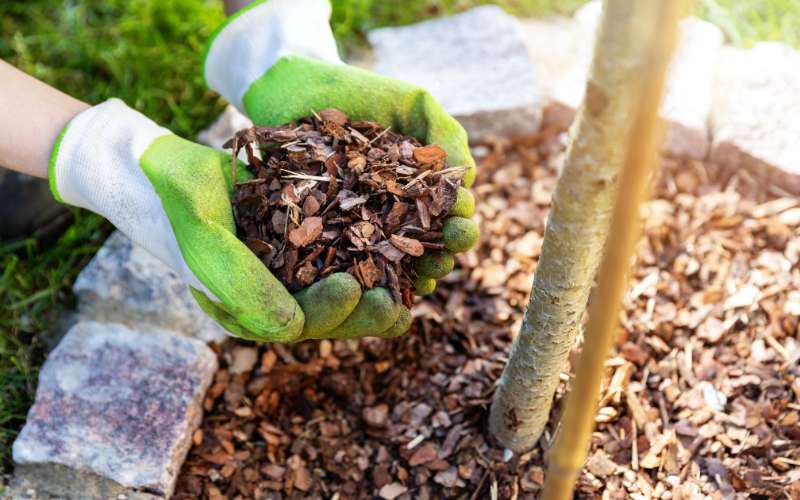
Final touches
Apply mulch, decorative stones, or other finishing touches to the soil surface if desired. This not only adds visual appeal but also helps retain moisture and reduce weed growth.

Inspection and care guidance
Once installation is complete, we inspect the planters to ensure they are secure and meet your expectations. We provide maintenance advice for your plants, including watering, fertilising, and seasonal care tips to keep your garden planters looking vibrant and healthy.
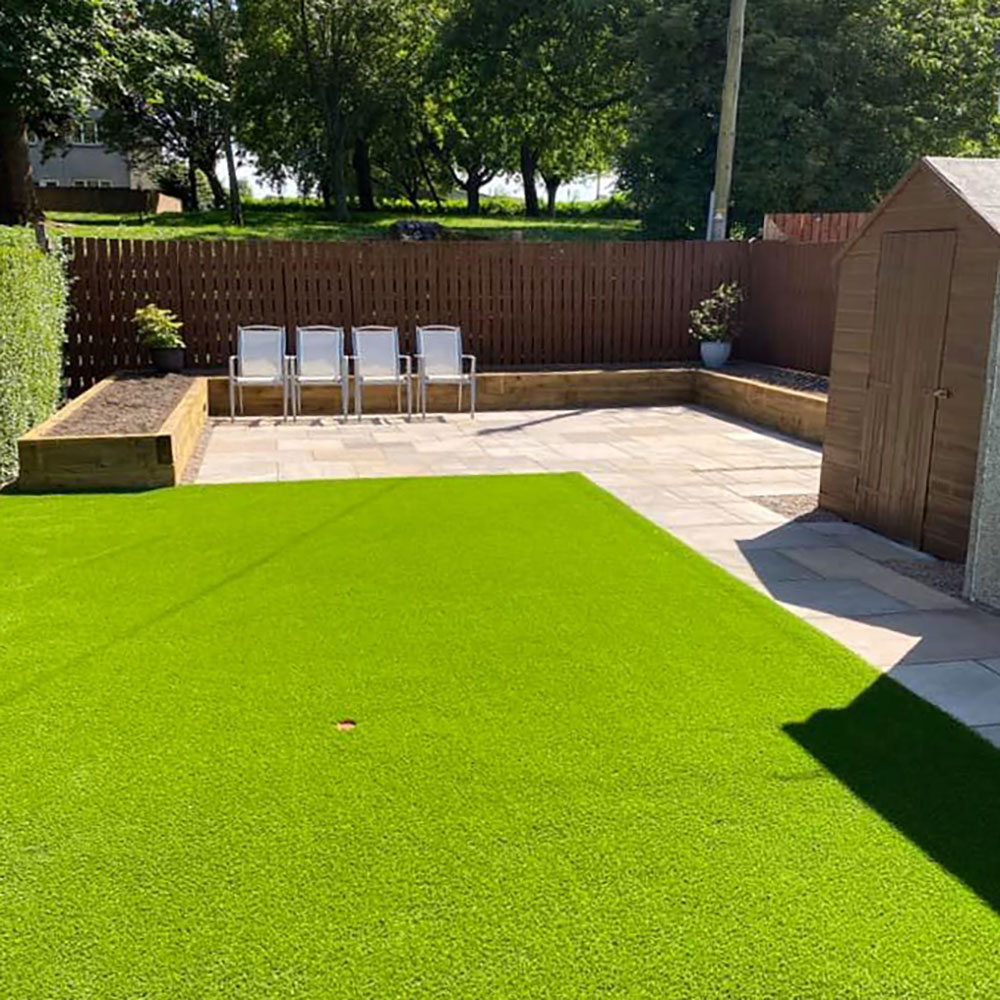
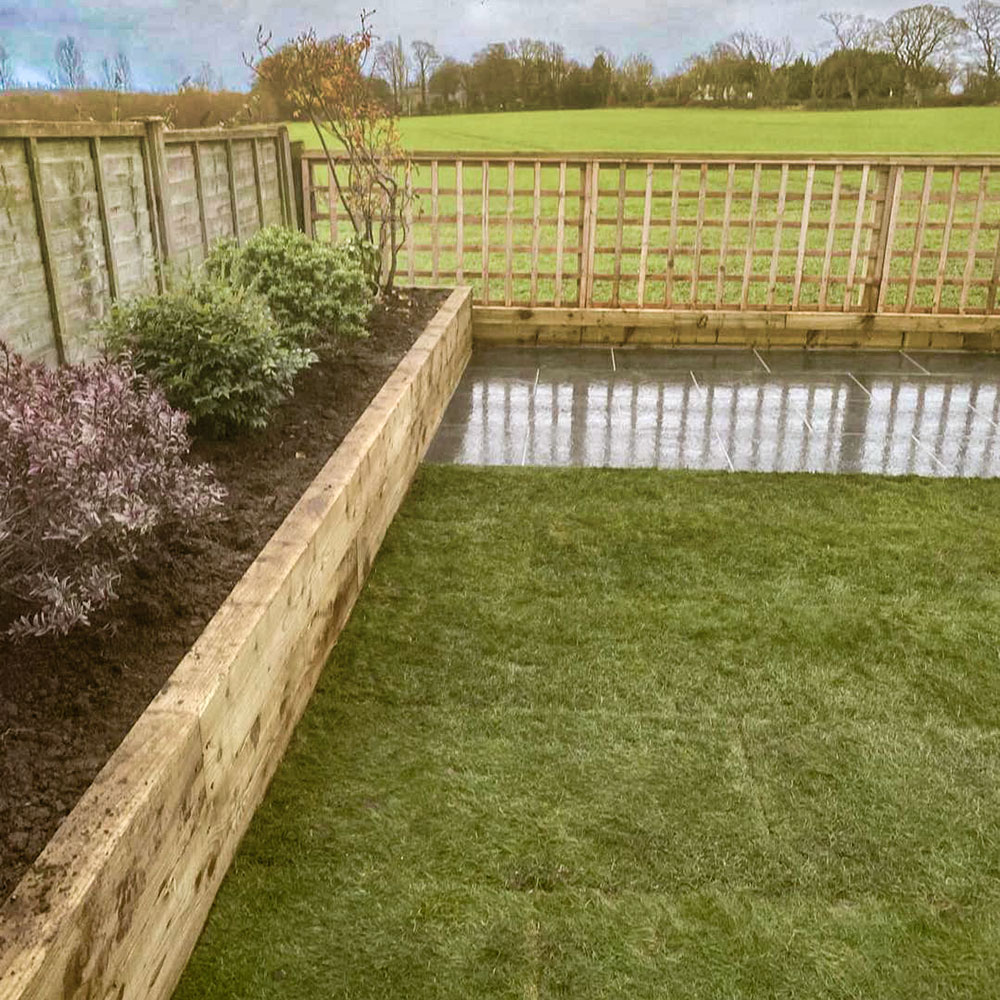
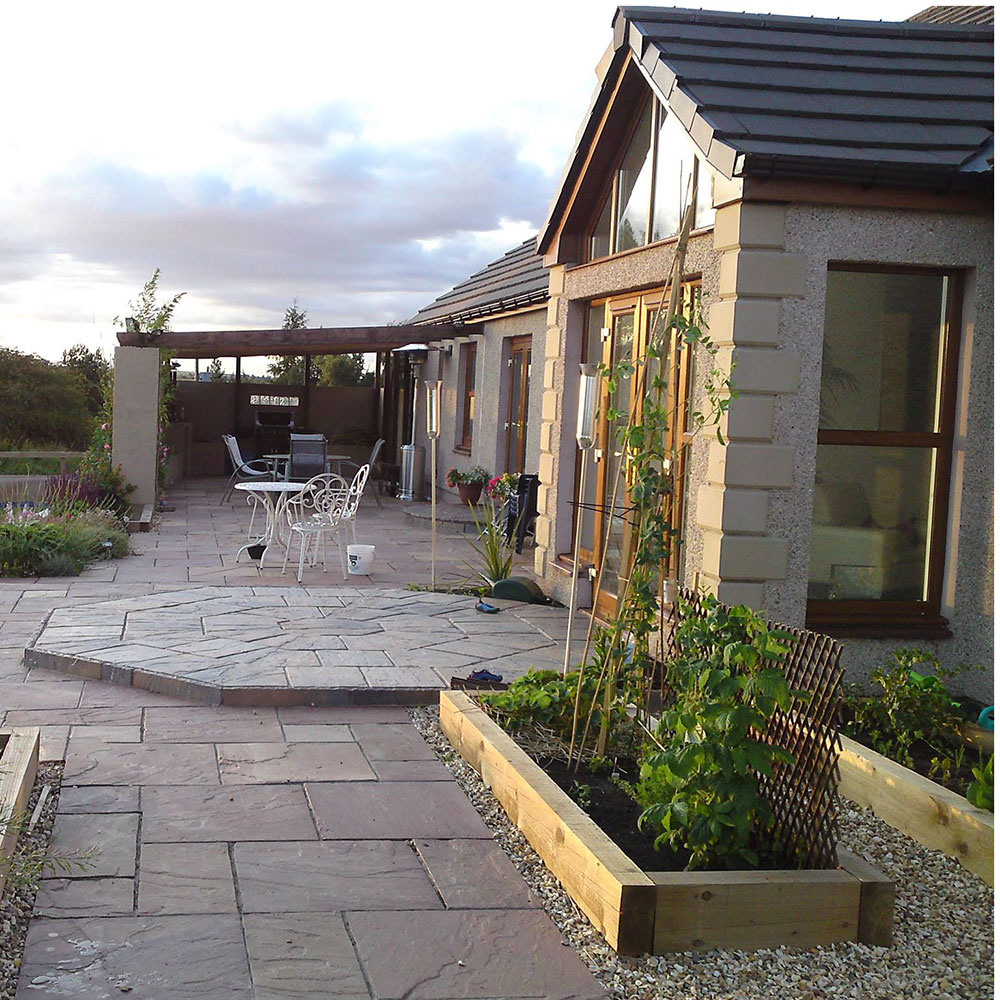
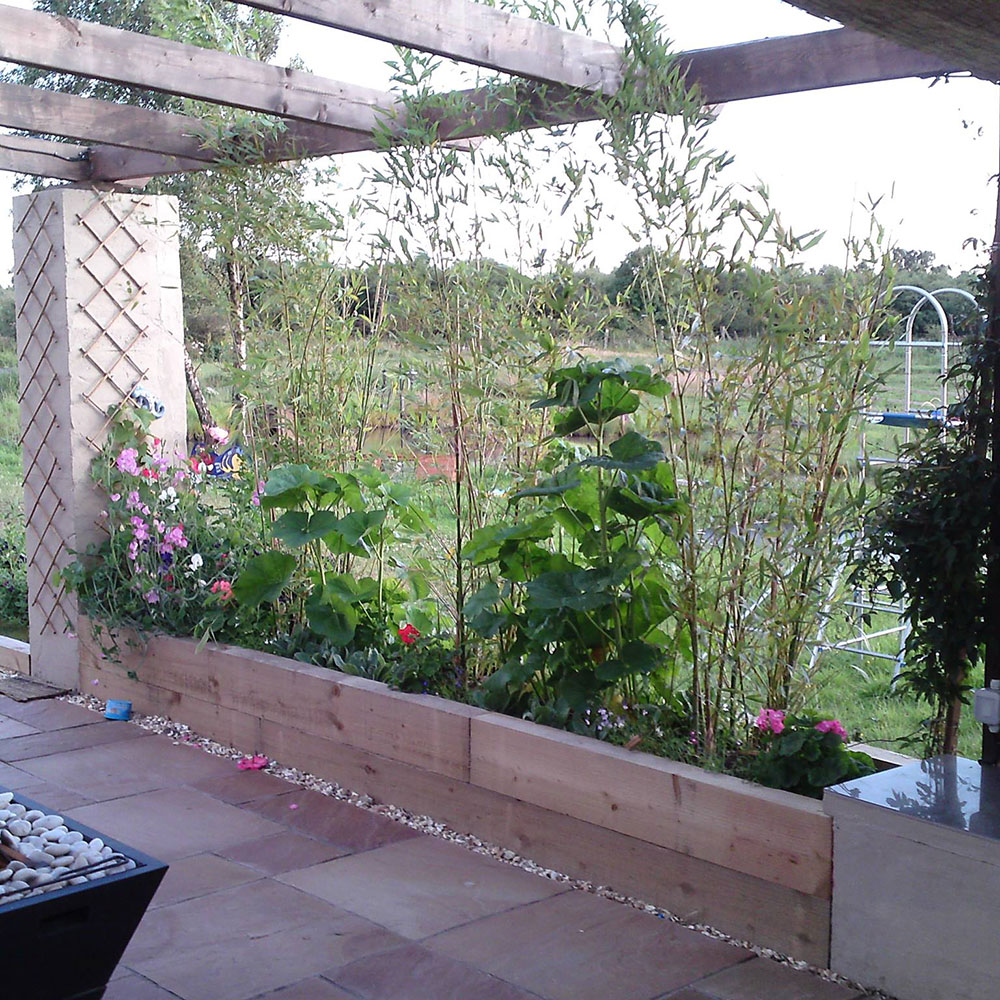
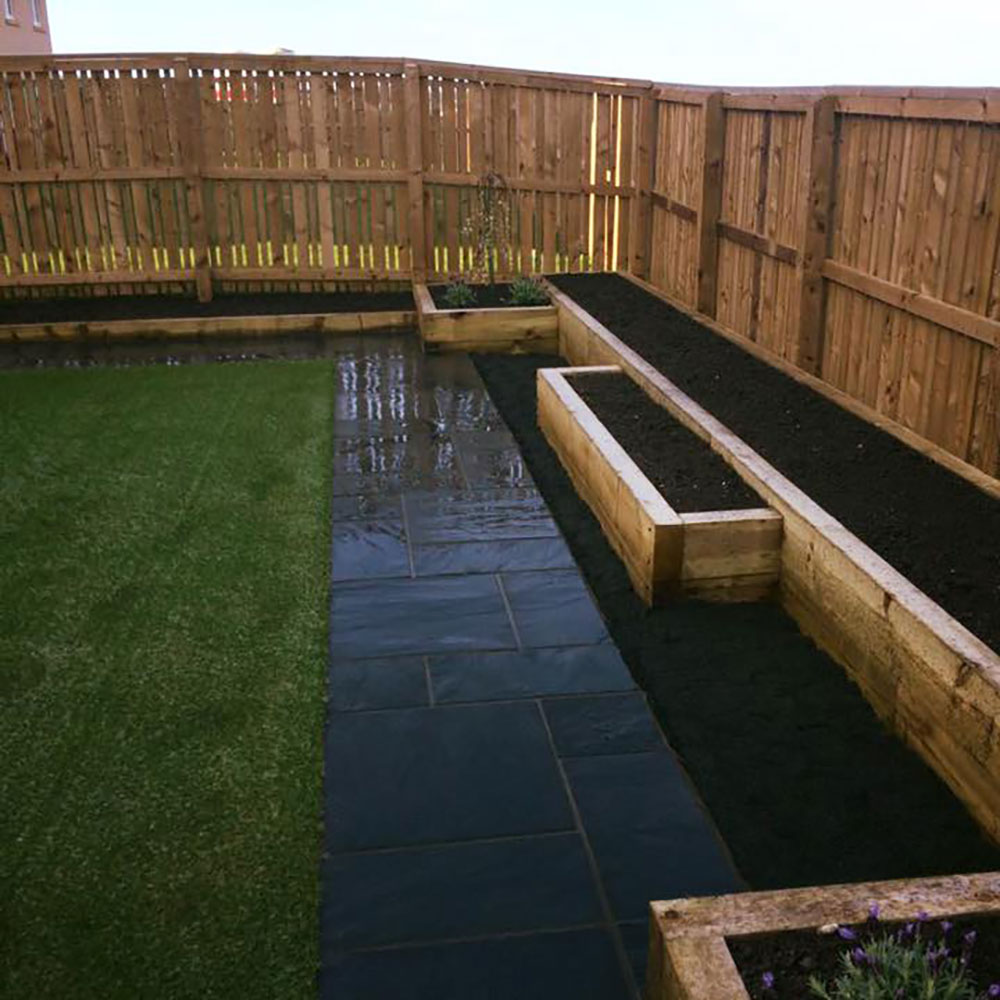
Check out some garden planters we installed in Central Scotland
Garden planter FAQs
Do planters need drainage holes?
Yes, drainage holes are essential to prevent waterlogging, which can harm plant roots. If your planter lacks holes, you can add them or use gravel at the bottom for better drainage.
How do I protect wooden planters from rotting?
Wooden planters can be lined with plastic or a fabric liner to protect against moisture, and treating the wood with a sealant helps extend its lifespan.
How do I prevent weeds in my planters?
Use a high-quality, sterile potting soil, and consider applying mulch on the surface. Regularly removing weeds will also help maintain a clean planter.
What types of plants work best in planters?
Many plants thrive in planters, including herbs, flowers, shrubs, and small trees. The choice depends on the planter’s size, the climate, and your garden’s design goals.
Are certain materials better for winter or summer use?
Materials like concrete, stone, and metal hold up well in cold weather, while fibreglass and plastic may handle seasonal changes better due to their flexibility.
Do planters need special soil?
Yes, using a quality potting mix or soil tailored for containers helps retain moisture and nutrients, providing an ideal environment for planter-grown plants.
How often should I water plants in planters?
Planters often need more frequent watering than garden beds since soil dries out faster. Watering needs vary by plant type and weather conditions, so check soil moisture regularly.
Can planters be left outside year-round?
Most planters can stay outdoors year-round, but materials like terracotta or ceramic may crack in freezing temperatures. For winter, consider moving delicate planters to a sheltered spot.
Common concerns around garden steps
I’m worried my planters will need too much maintenance
We offer low-maintenance planter materials like fibreglass and plastic that require minimal upkeep. Choosing hardy plants and using quality potting soil also helps reduce maintenance.
I’m worried about my plants outgrowing the planters
Choosing the right size planter is key. We recommend starting with a slightly larger planter to allow for root growth, or you can transplant plants as they grow.
I’m not sure which material is best for our Scottish climate
Certain materials, like concrete, stone, and fibreglass, withstand seasonal changes well, while wood can be treated to resist rot. We can help you choose materials suited to your climate and garden conditions.
I don’t want my planters to look out of place in my garden
We offer a range of styles, sizes, and materials to match your garden’s design. Custom options are also available to create planters that seamlessly blend with your outdoor space.
I’m concerned my planters will crack in winter
Materials like stone, metal, and fibreglass handle cold weather well, but terracotta and ceramic may crack if water freezes inside. You can bring delicate planters indoors during winter or choose weather-resistant options.
I’m worried my plants will get too much sun or shade in planters
Some planters are versatile and can be moved to optimise light exposure. We can help you choose plants that suit the sun and shade levels in your garden.
Your path to perfect garden planters
Get in touch
Contact us to schedule a free consultation. We’ll visit your garden, discuss your ideas, and help you choose the best materials and design for your new garden steps.
Design review & quote
After the consultation, we’ll provide a custom design and a clear, detailed quote. Review the options, and once you're happy, approve the design so we can move forward.
Schedule the installation
Once the design is finalised, we’ll arrange a convenient time to start the installation. Our team will work efficiently to bring your vision to life with minimal disruption.
Final inspection
After installation, we’ll walk you through the completed project to ensure everything meets your expectations. Once you’re satisfied, your beautiful new garden steps are ready to use and enjoy!